
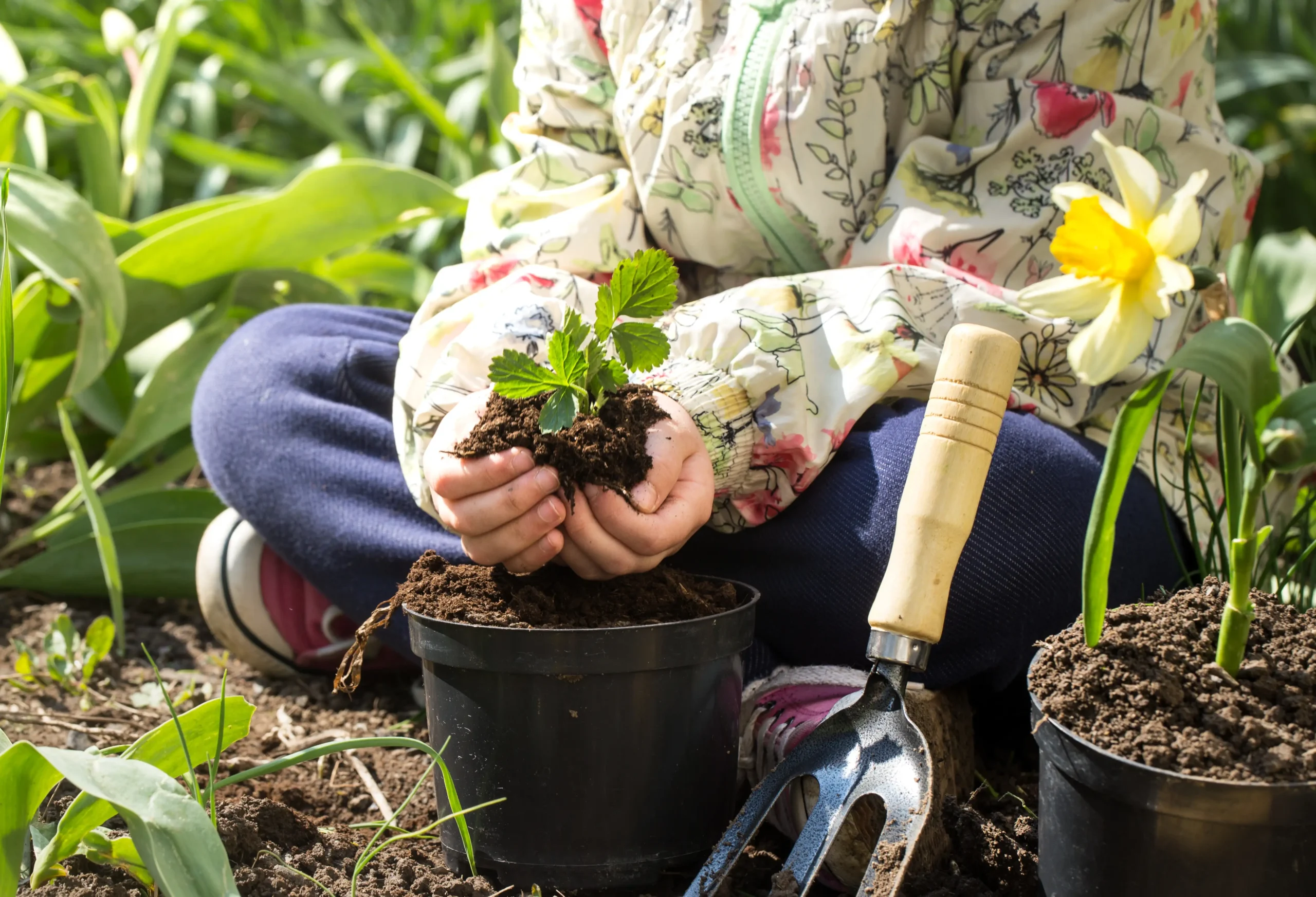
There’s something truly magical about stepping into a lush, green garden—a space bursting with color, texture, and life. Whether it’s a cozy balcony with a few pots or a sprawling suburban backyard, a thriving outdoor area can reduce stress, boost your mood, and even yield fresh herbs and veggies right at home. But if you’re a beginner in the US, you might worry about harsh winters, scorching summers, or limited space. The good news? You don’t need green thumbs or endless hours to succeed.
With simple, practical tips tailored to US climates—from the mild Pacific Northwest to the frosty Northeast—you can keep your garden vibrant through every season. Let’s dive into beginner-friendly strategies that work nationwide, helping your outdoor space stay green and inviting all year long.
Start Small for Big Wins
Overwhelm is the enemy of new gardeners. Begin with just a 4×4-foot raised bed, a windowsill herb garden, or five pots on your deck. Success here builds confidence to expand later.
Focus on forgiving plants like hostas, daylilies, or herbs such as chives and oregano. These thrive in USDA zones 4-9 (covering most of the US) with minimal fuss, teaching you the ropes without frustration.
Understand Your USDA Zone
The US spans diverse climates, so check your USDA Hardiness Zone (find it free at planthardiness.ars.usda.gov). Zone 5 (Midwest) means cold winters; Zone 9 (Florida, California) brings mild ones but hot summers.
Match plants to your zone: Zone 6-7 folks love black-eyed Susans; Zone 8-10 gardeners swear by salvia. This simple step ensures plants flourish naturally.
Build Nutrient-Rich Soil
Great gardens start underground. Test your soil pH (kits at Home Depot cost under $15) aiming for 6.0-7.0. Amend clay-heavy Midwest soil with compost; lighten sandy Southern soils with organic matter.
Top with 2-3 inches of mulch like shredded bark yearly—it retains moisture, fights weeds, and feeds soil as it breaks down. Healthy soil means resilient plants that bounce back from drought or frost.
Water Smart, Not Hard
Overwatering kills more newbie plants than drought. Water deeply once a week (1 inch total, including rain), early morning to beat evaporation. Use your finger: if the topsoil is dry 2 inches down, it’s time.
In arid Southwest zones, drip irrigation saves water; in the rainy Pacific Northwest, ensure pots drain well. Rain barrels capture free water while cutting bills.
Pick Perennials for Easy Color
Annuals fade fast—go perennials for year-after-year returns. Coneflowers (Zones 3-9) bloom summer-long; sedum adds fall texture. Mix with bulbs like daffodils for spring pops.
They’re low-cost long-term and pollinator magnets, turning your yard into a buzzing ecosystem.
Fertilize by Season
Feed sparingly to avoid burn. Spring: balanced 10-10-10 for growth. Summer: high-potassium for blooms. Fall: compost for roots.
Organic choices like fish emulsion or worm castings are safe and effective nationwide. Always follow package rates—less is more.
Master Pruning Basics
Sharp pruners are your best friend. Snip dead bits anytime; shape spring bloomers like forsythia post-bloom. Late winter pruning (before buds swell) works for roses and shrubs in Zones 5+.
Deadhead spent flowers on petunias to trigger reblooms. Clean tools with alcohol between cuts to dodge disease.
Combat Pests Naturally
No chemicals needed. Neem oil sprays zap aphids; beer traps nab slugs. Plant marigolds near veggies to deter nematodes; attract ladybugs with dill.
Healthy plants resist better—space them for airflow, especially in humid Southeast summers.
Layer for Year-Round Interest
Evergreens like boxwood provide winter bones; spring bulbs wake things up; summer salvias dazzle; fall mums glow.
In cold Zones 3-5, protect pots by grouping and wrapping; Southern gardeners layer heat-tolerant lantana.
Compost Like a Pro
Turn scraps into gold with a backyard bin. Layer greens (veggie peels) and browns (leaves) 1:1, turn weekly. Ready in 2-3 months for free fertilizer.
Skip meat/dairy to avoid pests. Apartment dwellers use worm bins indoors.
Go Vertical in Small Spaces
Urban or suburban? Trellis clematis on fences; hang strawberry pots; stack vertical planters for herbs. They cool walls and maximize sun.
Great for patios in apartment-heavy cities like NYC or Chicago.
Your US Seasonal Care Calendar
Consistency beats intensity. Here’s a zone-flexible schedule with popular plants:
|
Time Period |
Key Tasks |
Example Plants (Zones 4-9) |
|---|---|---|
| January – March | Prepare soil, sow cool-season seeds indoors. | Kale, peas, spinach, broccoli start |
| April – June | Prune spring bloomers, fertilize actively. | Roses, lilacs, peonies, tomatoes |
| July – September | Mulch heavily, deep water, scout pests. | Zinnias, okra, basil, peppers |
| October – December | Compost, mulch roots, protect tender plants. | Garlic, pansies, mums, cover crops |
Adjust for your zone: Northerners start seeds earlier indoors; Southerners mulch more in fall.
Add Wildlife-Friendly Touches
Bird baths, native milkweed for butterflies, and bat houses boost biodiversity. They control pests naturally and make your garden alive.
Personalize Your Paradise
String fairy lights, add a hammock, or paint pots funky. Your space should spark joy—maybe a fire pit for Midwest evenings or shade sails for Texas heat.
Embrace the Learning Curve
Yellow leaves? Too much water. No blooms? Wrong sun. Note failures in a journal; next year shines brighter. Join local extension services or apps like Garden Answers for free advice.
Sustainable Gardening Wins
Native plants (like bee balm in the East, yarrow West) need less water/fertilizer. Ditch plastics for reusables. You’re helping bees decline reverse while saving cash.
Therapy in the Dirt
Digging connects you to rhythms forgotten in city rush. Watch seedlings push through—pure magic. Even 15 minutes daily lowers cortisol.
Gardening rewards patience with harvests, beauty, and peace. Start today; your green thumb awaits. What’s your first plant? Share below!